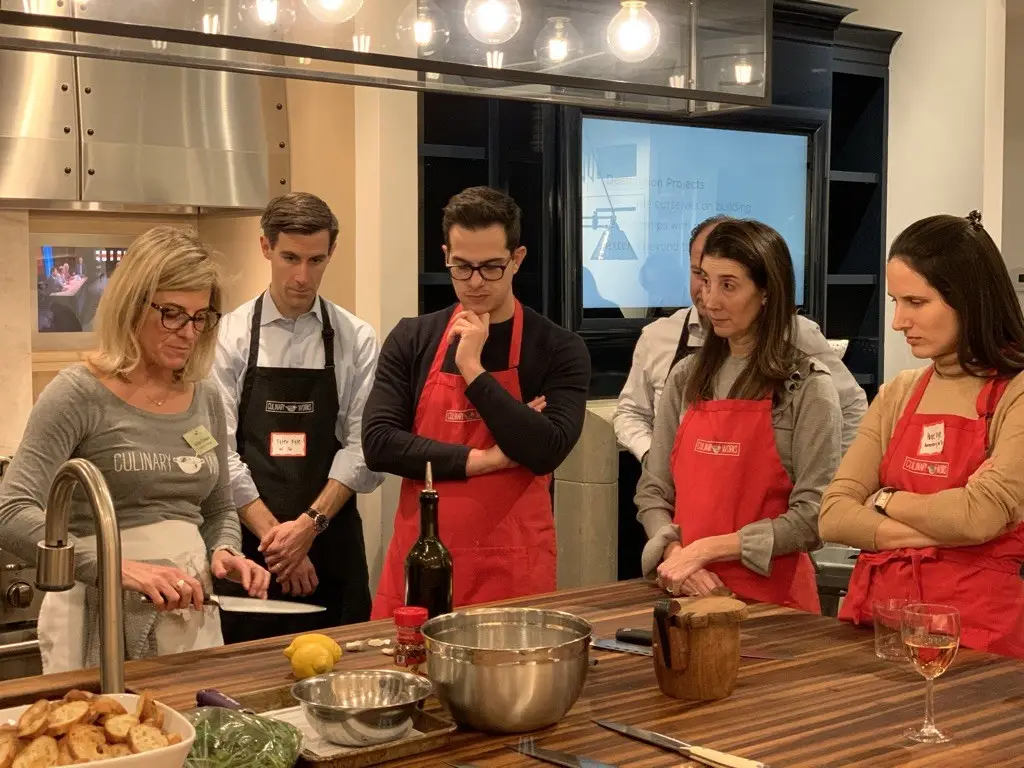
Recipes can tell you what ingredients to use and how much of each one you need. Techniques, however, teach you how to approach cooking.
Once you understand them, you can apply them to many different dishes. One example is proper seasoning. Instead of waiting until the end of cooking to add salt and flavor, learning how to season throughout the process can help create a more balanced dish.
Knife skills are another valuable technique. Cutting ingredients consistently helps them
cook evenly and can make food preparation faster and more enjoyable. Understanding heat control is equally important. Not every ingredient should be cooked at the same temperature. Knowing when to use high, medium, or low heat can help you develop better texture and flavor.
Another useful skill is building flavor in layers. Browning ingredients, developing a
good base, adding aromatics, and finishing with fresh elements can give a dish more
complexity without requiring complicated ingredients.
Then there is the importance of tasting as you cook. A recipe is a guide, but your
ingredients, equipment, and preferences can vary. Tasting along the way allows you to
adjust seasoning and balance before the dish reaches the table. These are the kinds of skills that can make cooking feel more intuitive.
At Culinary Works, culinary experiences can provide guests with an opportunity to learn
techniques in a hands-on environment and understand how they work in practice.
The goal is simple: learn something during the experience that you can continue using
at home. Because the best culinary lessons do not end when the event does. They become part of the way you cook, create, and enjoy food every day. ✨